
Sleep & Snoring Aids

EELHOE Open Breathing Close Mouth Anti Snoring Care Sleep Adult Snoring Stop Mask

New Microcurrent For Insomnia Relief, Cross-Border Pulse Handheld Instrument, Aid Device, Magic Device To Improve Deep
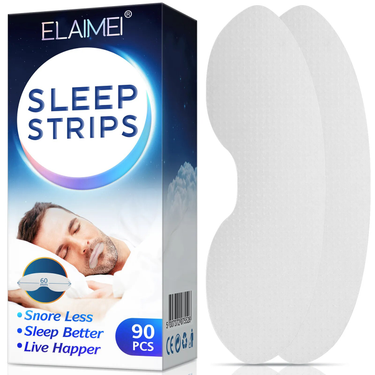
Elaimei Anti-snorking sovestrimler engangs myk tape for bedre nesepust reduserer munntørr halssmerter
EELHOE Åpen pust Lukk munnen Anti-snorking pleie Søvn Voksen Snorking Stop Maske

【 Hotselgende støydempende ørepropper】 Lydisolerende og støytette silikonørepropper for søvn

Lydisolasjon og støyreduksjon for søvn Ørepropper for svømmende ørepropper Støydempende og stille ørepropper

South Moon Plant Cartoon Sleeping Patch Sleep Care Relieves Muscle Tension and Physical and Mental Stress Care Patch
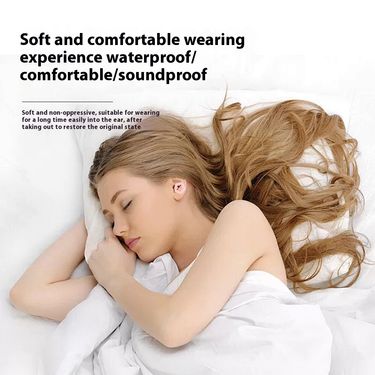
Lydisolasjon og støyreduksjon for søvn Ørepropper for svømmende ørepropper Støydempende og stille ørepropper

South Moon søvnplaster hjelper deg med å sovne raskt, lindrer fysisk tretthet og stress, pleier søvnløshet og soveplaster

South Moon Anti-Snoring Ventilation Patch, Anti-Snoring, Talking in Sleep, Snoring Stop and Improve Sleep Care Patch

South Moon søvnrulleball eterisk olje, pleie for søvn, lindre angst, massasje og sovne raskt med planteessensiell olje

Oralhoe Anti-Snoring Mouth Guard, Prevent Night Sleep Snoring Molar Care Sleep Anti-Snore Nursing Braces

【 Hotselgende støydempende ørepropper】 Lydisolerende og støytette silikonørepropper for søvn

forseglingstape anti snorking åpen pleie søvn lukket munn pusteplaster

Sørmånen sover god natt tegneserieklistremerker Lindrer fysisk tretthet og sovner raskt, tar vare på søvn god natt klistremerker

South Moon søvnplaster lindrer tretthet, frisker opp sinnet, hjelper med å sovne, forbedrer søvn og søvnløshet, en magisk helseplaster

120Pcs Strip Mouthband For Better Nose Breathing Improved Night Sleep Less Mouth Breath And Snoring

South Moon Anti-Snoring Mouth Guards, Anti-Snoring Mouth Guards, Teeth Guards, and Protective Mouth Guards

1 stk. Stopp snorking barnebelte anti-apné kjeveløsning støtte kvinne mann sove personlig helsehjelp verktøy

South Moon søvnplaster hjelper deg med å sovne raskt hvis du drømmer mange ganger om natten. Søvnplaster Akupunkturtrykkstimuleringsplaster
Sleep & Snoring Aids: 5 Ways to Sleep Quieter and Wake Fresher
You know that moment — the room is quiet, everyone’s drifting off, and suddenly the sound begins. At first, it’s just a low hum. Then it grows. The blanket rustles, someone sighs, and another night’s peace quietly slips away.
If you snore, you’ve probably tried to joke about it. But deep down, you know how frustrating it feels — waking up groggy, throat dry, and your partner halfway across the bed. The good thing is, you don’t always need medical devices or complex solutions. Sometimes, it’s about finding small, simple habits that let your body breathe the way it wants to.
Try Sleeping on Your Side — The Easiest Change That Works
Back sleeping feels comfortable, but it’s also the position most likely to trigger snoring. When you lie flat, gravity pulls your tongue and soft palate backward, narrowing your airway. The fix? Learn to side-sleep.
Start with a side-sleep pillow that gently supports your head and keeps your spine aligned. Look for one with memory foam or contour shaping, so your shoulder doesn’t sink and your neck stays relaxed. A slight elevation under your chin can also help your jaw stay in a more open position, keeping air moving smoothly.
If you tend to roll back during sleep, try hugging another pillow or using a small back-support cushion to keep you comfortably turned to the side.
Clear the Nose, Calm the Sound
Sometimes the snoring isn’t really from the throat — it’s from your nose struggling to pull air through. If you’re congested, your body switches to mouth breathing, and that’s when the noise starts.
A simple nasal strip for snoring can do wonders. It gently lifts the sides of your nose, helping you breathe more freely without forcing anything. Apply it just before bed on clean, dry skin. If your room tends to feel dry or dusty, that can also make things worse — a bedroom humidifier adds light moisture to the air, so your nasal passages stay comfortable through the night.
It’s a small environmental tweak, but many snorers notice an improvement within days.
Strengthen What Supports You
Snoring can also come from weak mouth or throat muscles that relax too much during sleep. You don’t need special workouts — even chewing slowly or singing regularly can help strengthen the area.
An anti snore mouthpiece (non-medical type) can also be a gentle trainer. It slightly adjusts your jaw’s position, keeping your airway open and helping your body learn better breathing posture over time. If you try one, look for soft materials and an adjustable fit. The goal isn’t pressure — it’s subtle guidance.
Pay Attention to the Little Things
Your evening routine plays a quiet but powerful role. Heavy dinners, alcohol, or staying up late all tighten the cycle of poor sleep and louder snoring. A lighter meal, some stretching, and good hydration go a long way.
If you like tracking your progress, smart health watches can give helpful insight into how often you wake or change positions during the night. You don’t need to obsess over the data — just use it to understand what helps you rest better.
Make Your Bedroom a Breathing Space
Snoring often gets worse in dry or stuffy rooms. Clean your pillow covers regularly, avoid overly soft mattresses that sink your neck, and keep the air fresh. Scents like lavender or eucalyptus can also create a calmer breathing rhythm before bed.
If you share your bed, keeping a steady temperature and soft airflow benefits both of you — less tossing, more rest.
Know When to Ask for Help
Most mild snoring can be managed with these small lifestyle adjustments — sleep position, nasal comfort, and simple tools that help your breathing stay open. But if you’ve tried for a few weeks and still feel constantly tired, or your snoring seems to come with pauses in breathing, it’s time to speak to a doctor or sleep specialist.
Sometimes, snoring is just your body’s way of saying: “I need a little help.”
Sleep Is Personal — So Is Comfort
You don’t have to “fix” yourself overnight. Start small. Try a better pillow, open your airways, keep your room cozy and hydrated. The goal isn’t silence — it’s comfort, for you and everyone who shares your nights.
Because the sound of good sleep isn’t total quiet. It’s the sound of steady, peaceful breathing.
 4.4 av 5 basert på 9,249 anmeldelser